Why Onsite Calibration Matters
Envision you're running a production line and all of a sudden a circulation meter begins offering erratic analyses. That misreporting might throw off your whole process, bring about squandered materials or safety and security threats. That's where onsite calibration is available in. As opposed to shipping your important equipment off to a laboratory and waiting days or weeks, a service technician comes to your center, adjusts your instruments right away, and gets you back up and running quick.
Onsite calibration isn't just about benefit-- it's about maintaining the stability of dimensions for stress, temperature, dampness, and other crucial variables. When you miss or delay calibration, you run the risk of drifting worths, noncompliant batches, and unplanned downtime. Fortunately? A scheduled onsite browse through can nip those risks in the bud.
Usual Instruments for Onsite Calibration
Stress Gauges and Transmitters
Stress instruments play a starring duty in many industries-- from oil and gas to food handling. A tiny leakage or sensor drift can result in safety events or item perishing. Throughout onsite calibration, a professional makes use of a known reference to readjust the scale or transmitter till it checks out appropriately. The procedure is usually nondestructive, meaning your devices remains undamaged and prepared for activity.
Flow Meters
Circulation meters gauge the quantity or mass of liquid or gas passing away through a system. Whether it's water treatment or chemical dosing, accuracy is vital. Adjusting a flow meter onsite saves you from the logistical frustration of removal, and it reflects real-world problems-- temperature level variations, line stress, and particle web content-- all in one go.
Temperature Sensors
Ovens, reactors, or freezers-- temperature level control is everywhere. A sensor that's also a level off can affect quality. Onsite calibration solutions include ice-bath checks and dry-block calibrators to make sure your thermocouples and RTDs are unfailing.
Moisture Analyzers and Hardness Testers
From grains in a silo to metal solidity in a workshop, moisture and solidity testers frequently obtain forgotten until they fail. Onsite calibration maintains them reliable so your product specifications remain tight. Service technicians adjust the tool versus deducible standards, guaranteeing each dampness or solidity measurement strikes the mark.
Torque Wrenches and Other Mechanical Tools
Tightening up screws to the right torque can protect against leakages or mechanical failings. Setting and confirming torque wrenches onsite methods you don't have to presume or waste time sending out tools out for solution.
The Onsite Calibration Process
1. Scheduling and Preparation
Initially, you and the provider agree on a time that reduces onsite calibration impact. They'll inquire about your most essential tools-- circulation meters, torque wrenches, sensors-- and prepare the best recommendation standards.
2. Onsite Setup
Professionals bring mobile calibration benches or portable calibrators. They may utilize a deadweight tester for pressure gauges or a loop calibrator for transmitters. Every little thing is traceable to national or worldwide criteria.
3. Adjusting Step by Step
Each tool experiences a list of setpoints. For instance, a circulation meter may be examined at reduced, medium, and high circulation prices. The specialist documents the analyses, changes the instrument, then reconsiders up until it's within tolerance. This accurate approach makes certain consistency throughout your production line.
4. Paperwork and Certification
When the job is done, you get a calibration certificate listing pre- and post-adjustment readings, uncertainties, and traceability information. This report is your proof of conformity for audits or top quality monitoring systems.
Advantages of Onsite Calibration
- Reduced downtime by preventing shipping delays Real-world conditions make certain exact readings under typical operating temperatures and pressures Maintains compliance with governing bodies and high quality standards Decreases risk of item denies or safety and security cases Expands lifespan of tools by finding drift early
Conquering Calibration Challenges
Despite having onsite services, you may deal with challenges like congested industrial spaces or restricted accessibility to particular machinery. Communication is crucial: walk the service technician load cell calibration service via your production format and any type of security requirements. In many cases, instrument calibration might call for partial closures, so planning around manufacturing schedules is critical.
A Real-World Calibration Story
Last summer season, a craft brewery discovered its circulation meter was under-reporting by 5%. Over a weekend break, they booked an onsite calibration browse through. The specialist showed up with a portable prover, altered the meter under regular line stress, and confirmed the output versus the brewery's batching software program. By Monday early morning, brewing resumed without missing out on a beat, saving them thousands in wasted hops and malt.
Trick Takeaways
Onsite calibration supplies a streamlined means to maintain essential devices-- stress evaluates, flow meters, temperature level sensing units, dampness analyzers, hardness testers, and torque wrenches-- exactly tuned. By choosing this solution, you reduced downtime, keep top quality, and make sure safety without the trouble of delivery instruments offsite.
More Resources
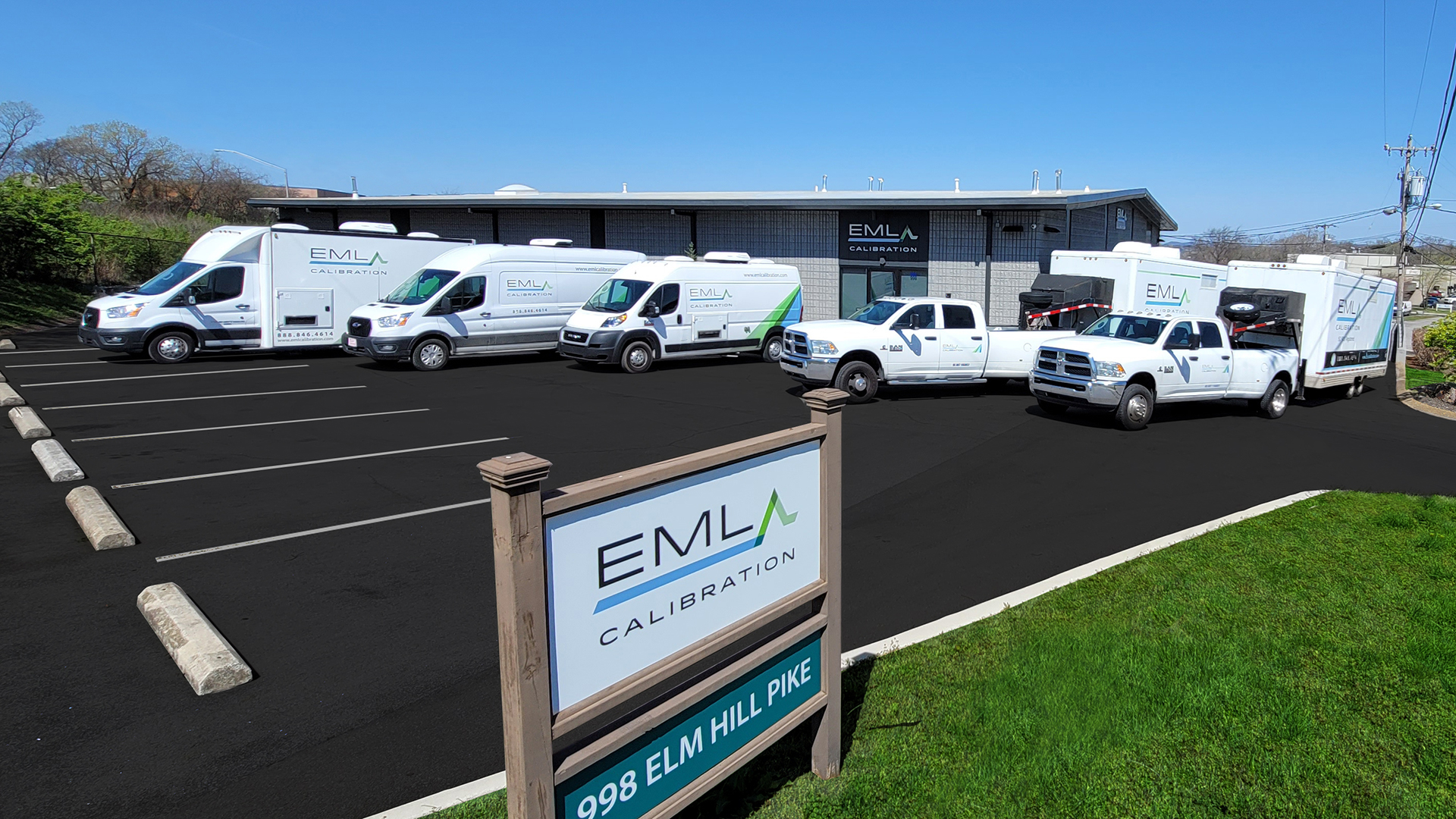
To find out more concerning organizing onsite calibration at your facility, connect to EML Calibration as a relied on resource for expert solution and fast turn-around.
Name: EML Calibration
Address: 998 Elm Hill Pike, Nashville, TN 37210, United States
Phone: (888) 846-4614
Website: https://www.emlcalibration.com/